BOOT 2020
hi alana this is great
The Ocean’s Last Frontier
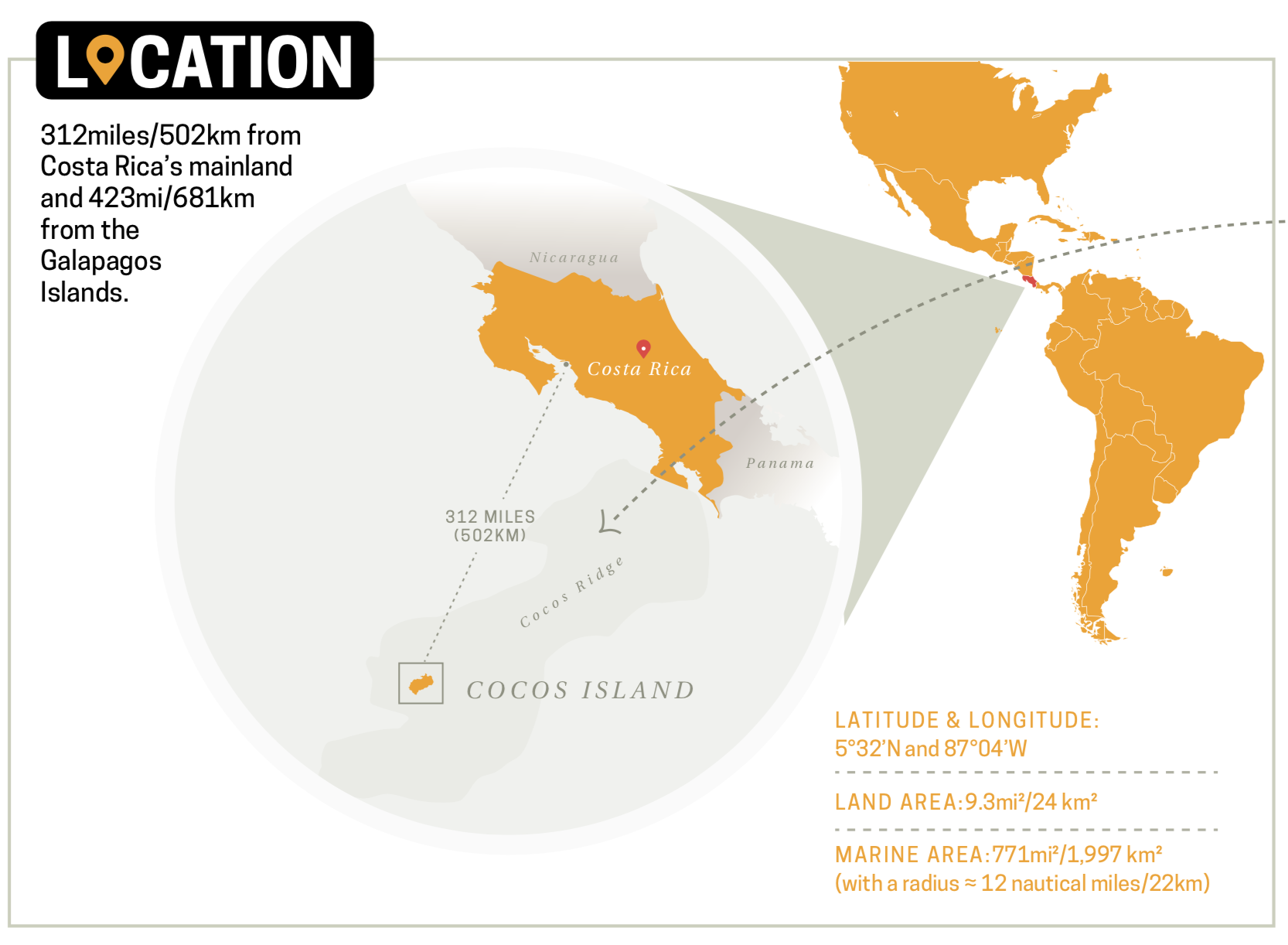
Welcome to paradise, 340 miles off the coast of Costa Rica
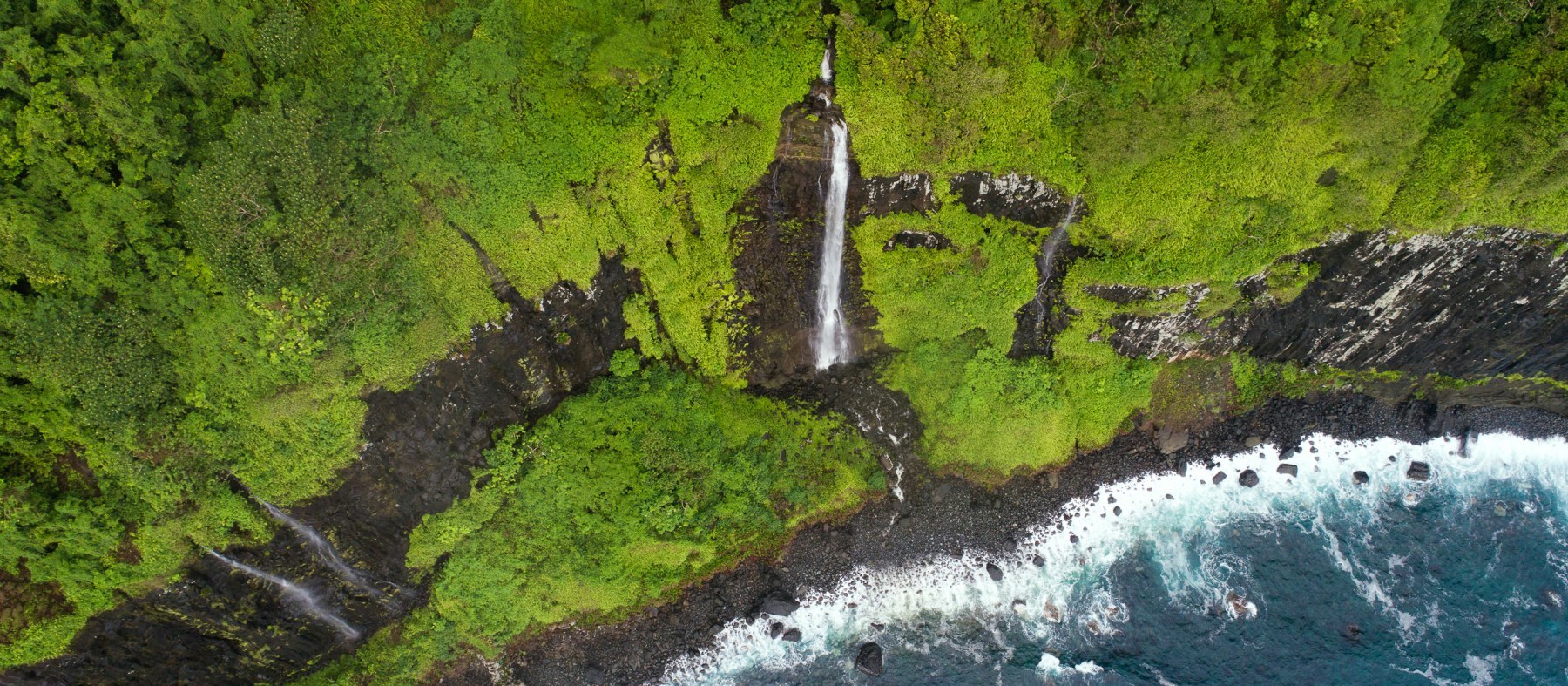
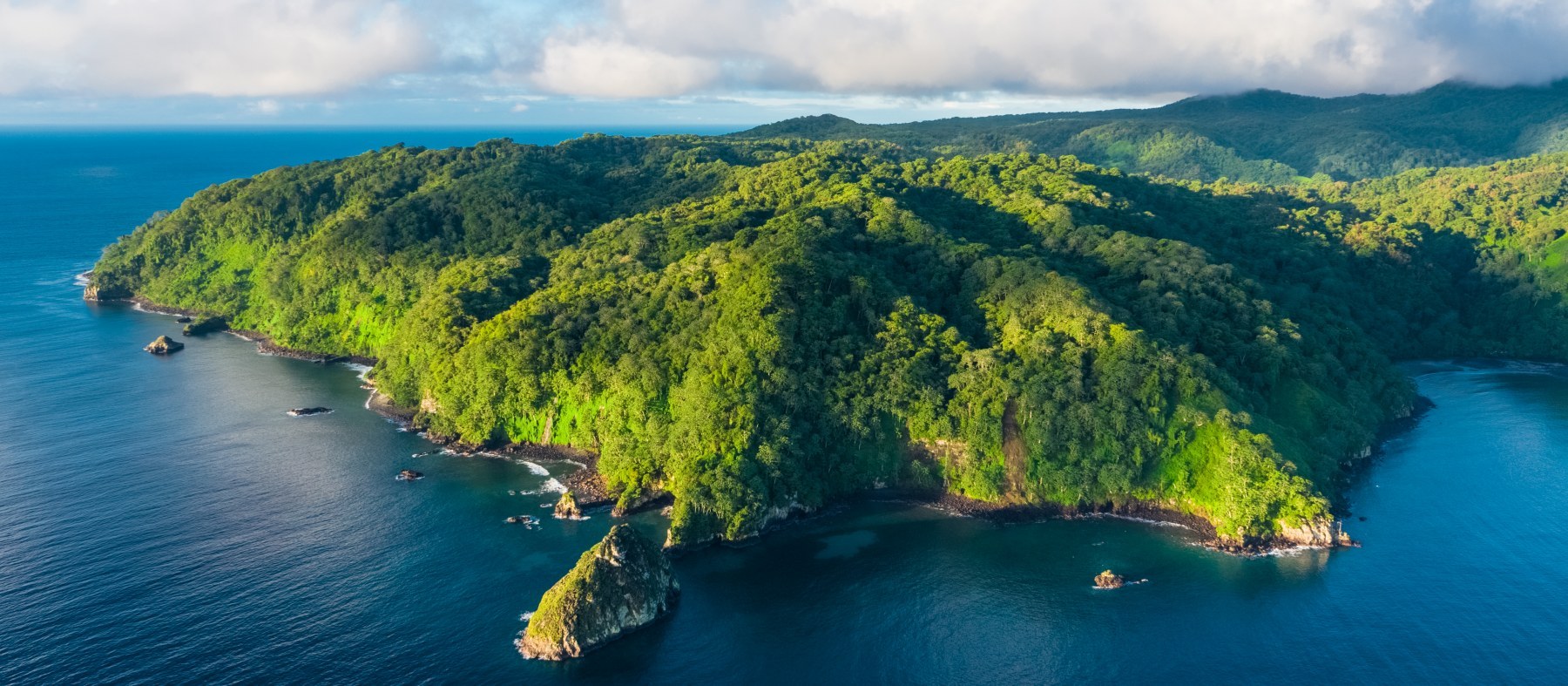
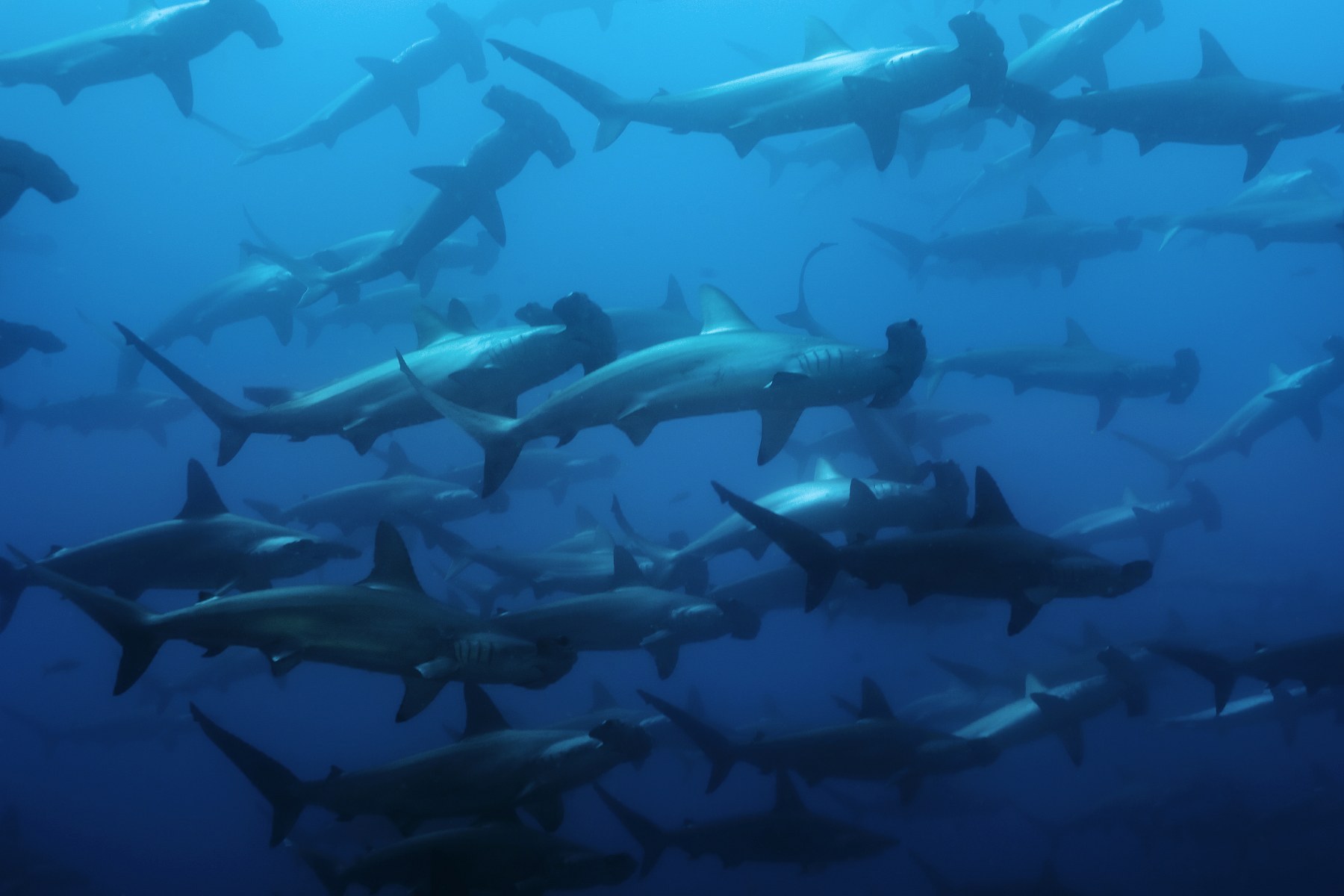
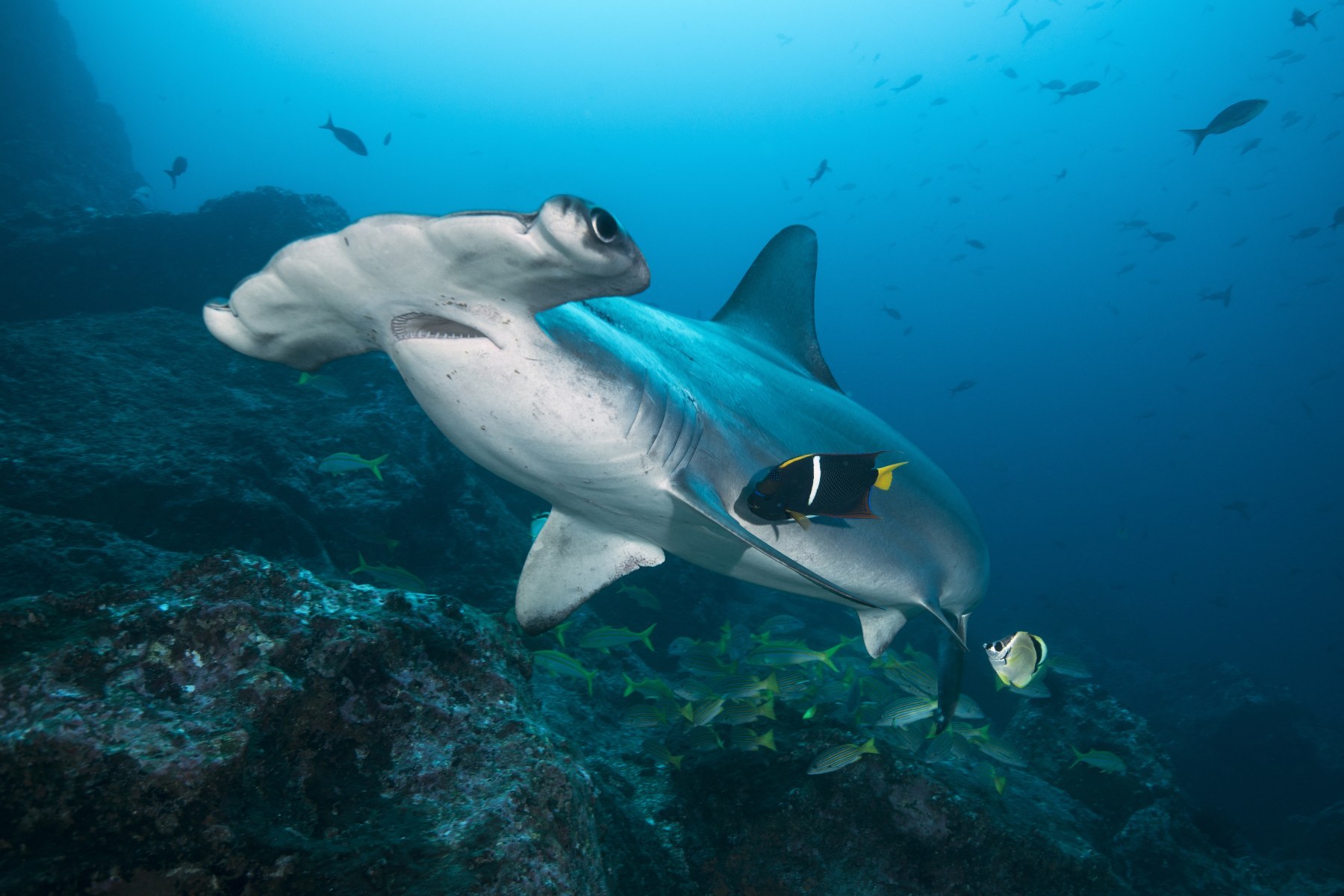
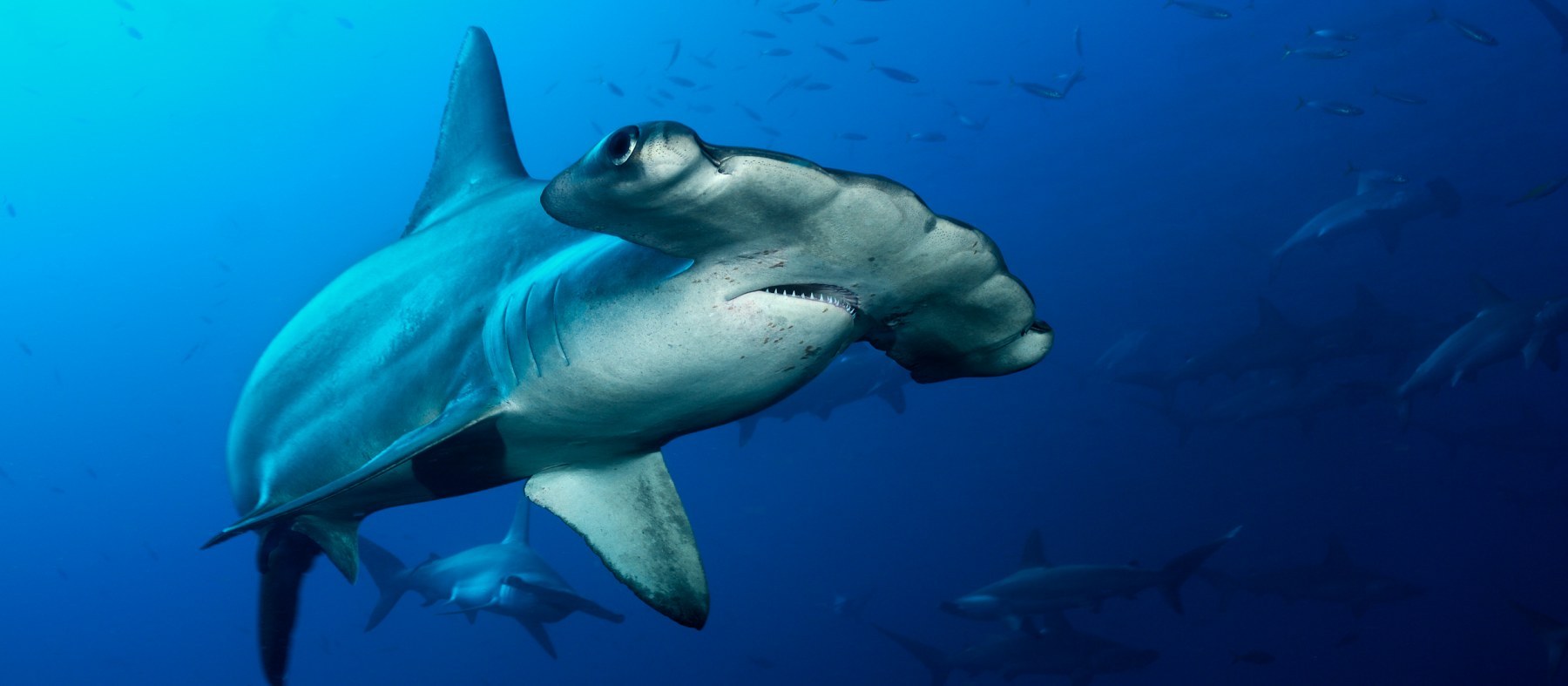
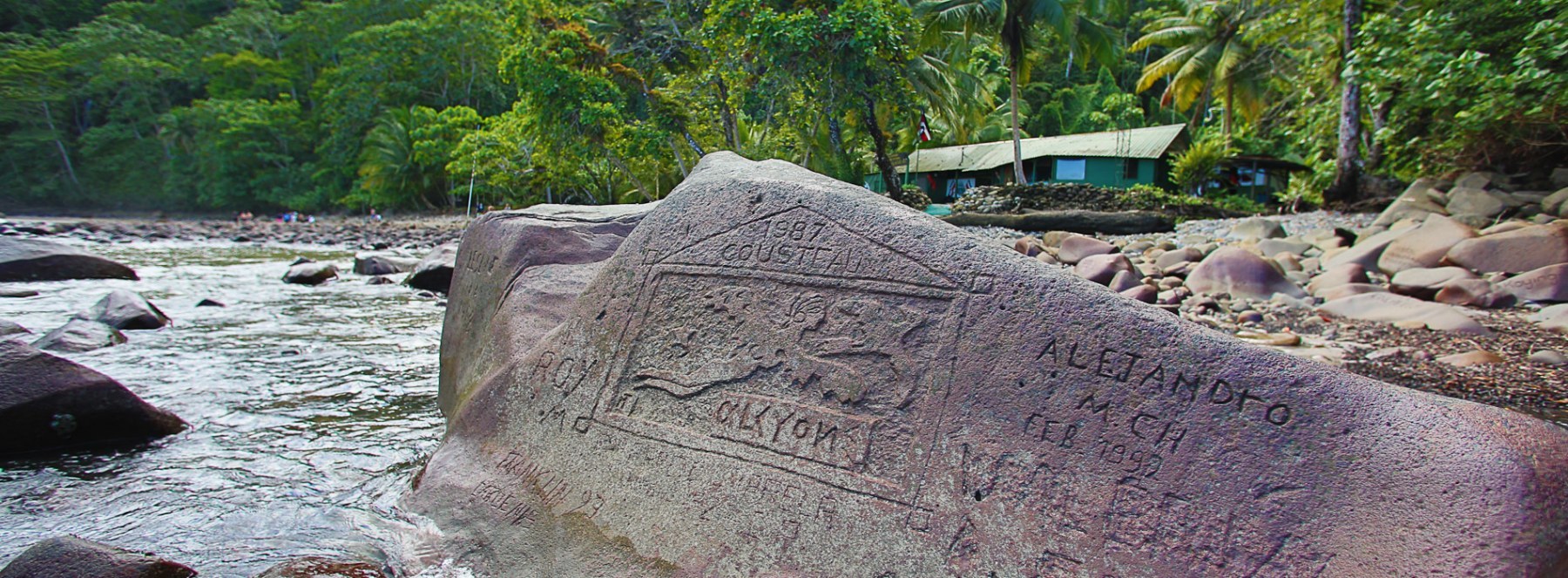
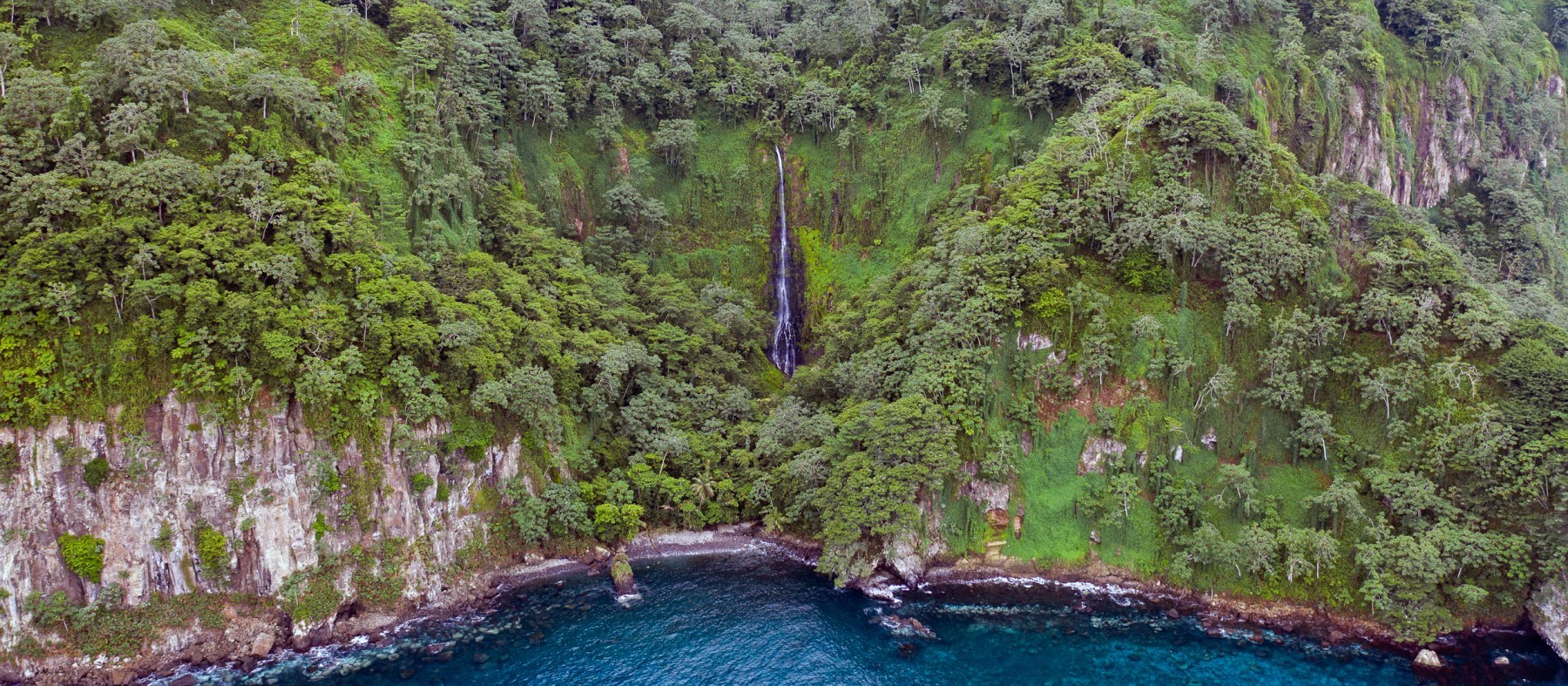
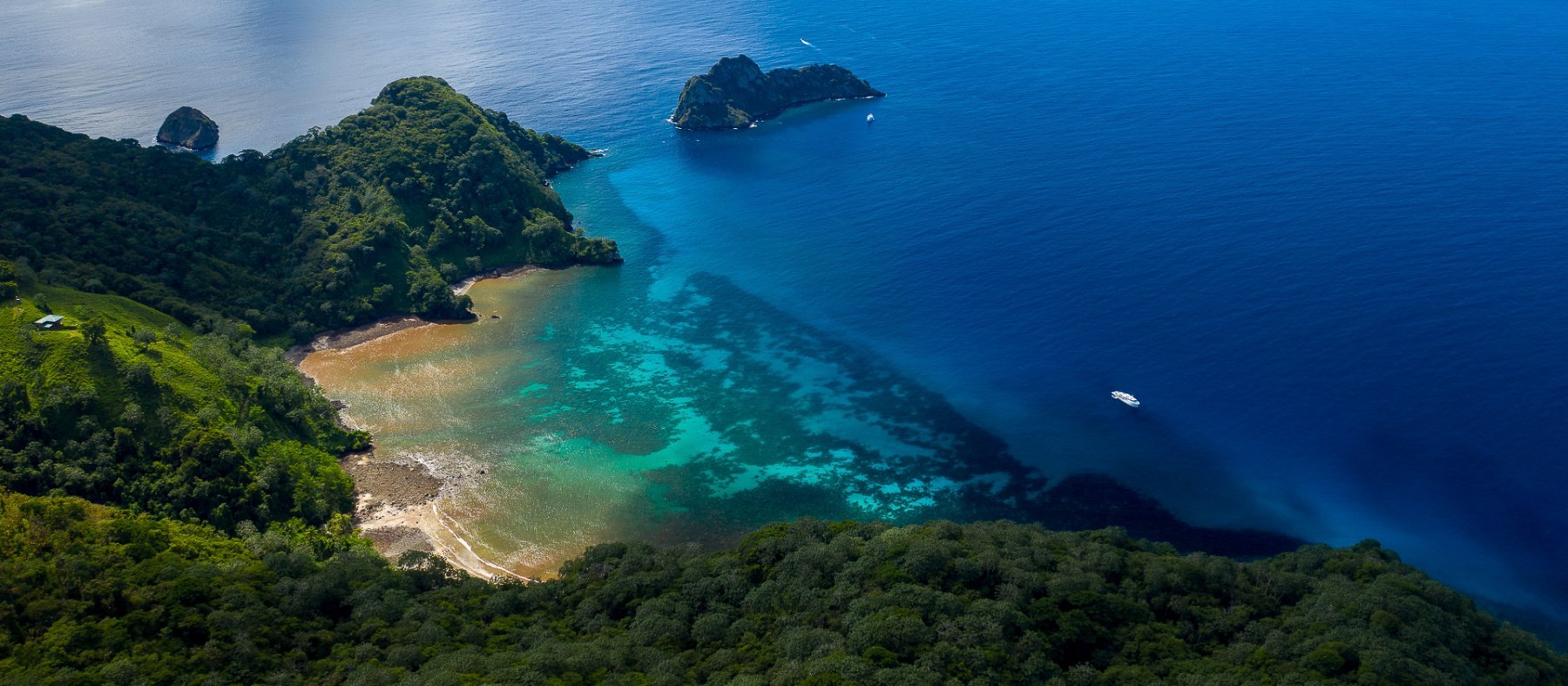
There are few truly remote places left on earth. Cocos Island is one of the few. Thrust from the ocean by a volcanic eruption over 2 million years ago. The island’s basalt cliffs are surrounded by some of the most spectacular diving on the planet. Here, pristine waters take you back in time to unspoiled oceans; where you’ll encounter numerous sharks, large pelagic travellers and schools of hammerheads. Often shrouded in mist and mystery, Cocos Island is a true isle of intrigue. Its rich history of explorers and adventurers dates back centuries, as evidenced by the rock carvings of Chatham Bay. Topside, Cocos Island National Park is a living laboratory with scores of endemic species. Beneath the surface, it’s a safe haven for marine animals big and small – from endangered scalloped hammerheads to the peculiar rosy-lipped batfish. Among the sharkiest places on Earth, Cocos is truly one of the last frontiers for extreme scuba divers.
READ MORE
The Ocean’s Last Frontier
Welcome to paradise, 340 miles off the coast of Costa Rica
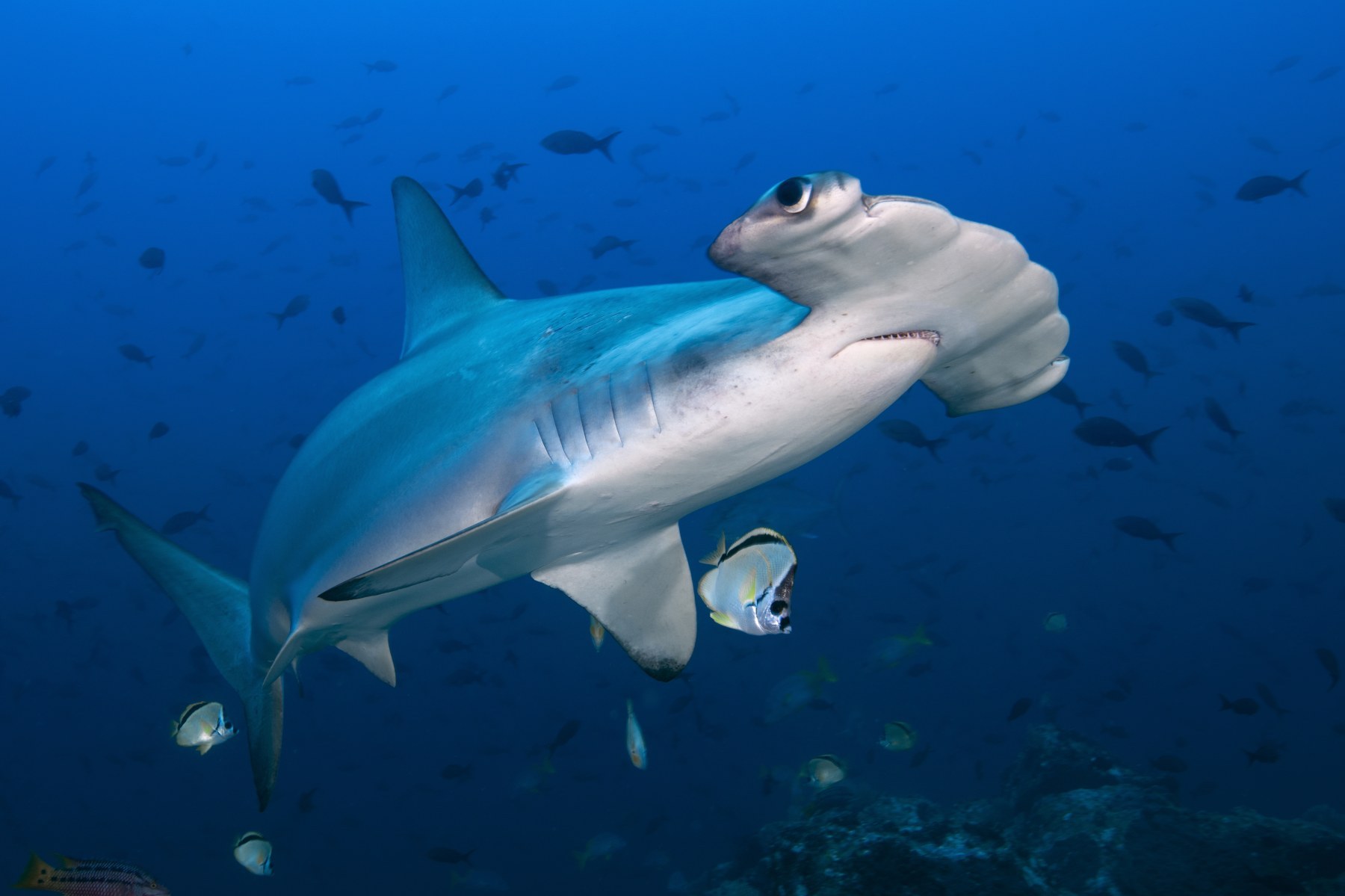
There are few truly remote places left on earth. Cocos Island is one of the few. Thrust from the ocean by a volcanic eruption over 2 million years ago. The island’s basalt cliffs are surrounded by some of the most spectacular diving on the planet. Here, pristine waters take you back in time to unspoiled oceans; where you’ll encounter numerous sharks, large pelagic travellers and schools of hammerheads. Often shrouded in mist and mystery, Cocos Island is a true isle of intrigue. Its rich history of explorers and adventurers dates back centuries, as evidenced by the rock carvings of Chatham Bay. Topside, Cocos Island National Park is a living laboratory with scores of endemic species. Beneath the surface, it’s a safe haven for marine animals big and small – from endangered scalloped hammerheads to the peculiar rosy-lipped batfish. Among the sharkiest places on Earth, Cocos is truly one of the last frontiers for extreme scuba divers.
READ MORE
Unfortgettable Experience
Cocos Islands Facts
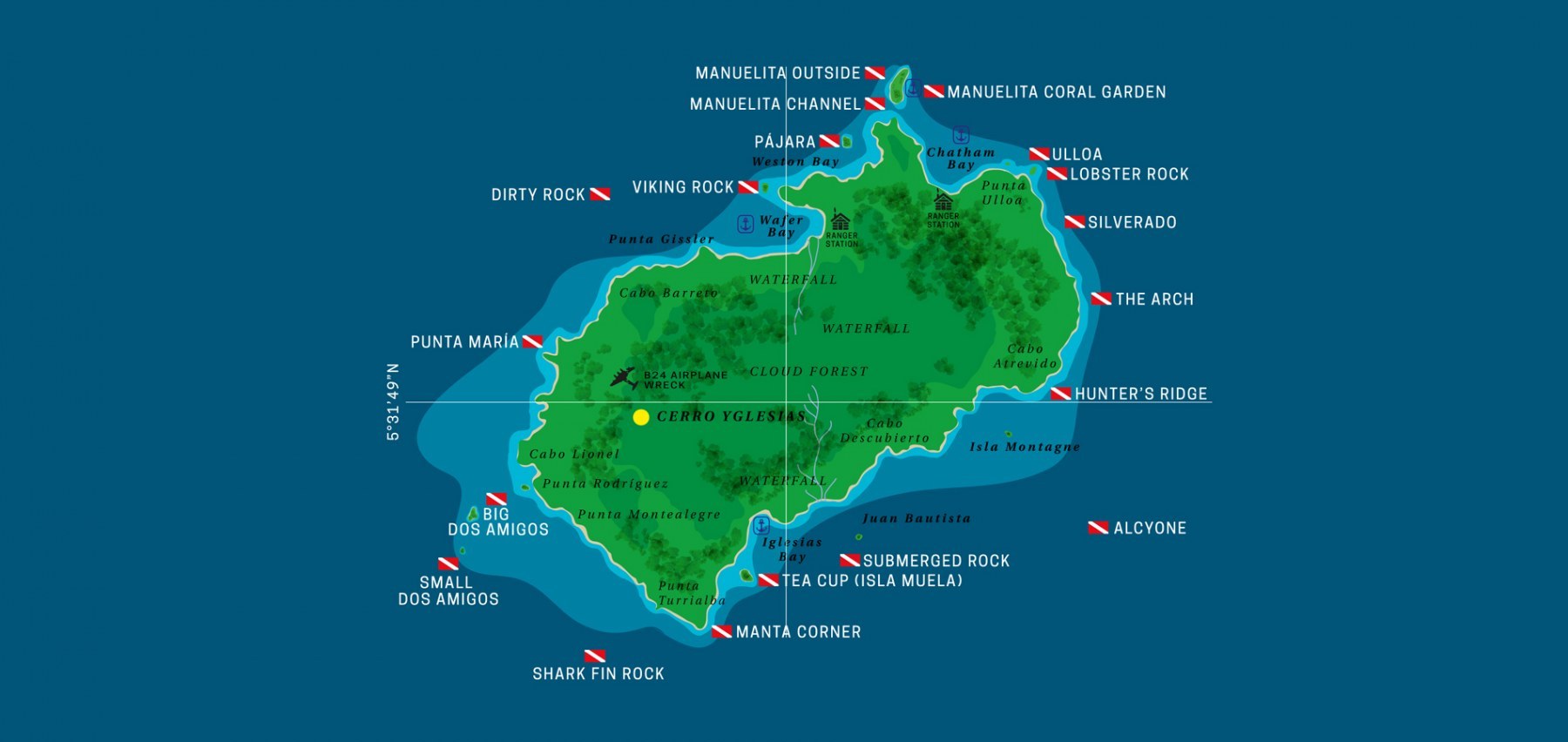
Divesites Map
Mail Genna from 08.08.2019: We just want the map to be so you can click the dive site and a video/photos/text shows up for each dive site like it does on our current site but in a more useful and attractive way. I'm consulting with Shmulik about this and will send text shortly. For now if you need a space holder you can use the text on the current website.
Biodiversity
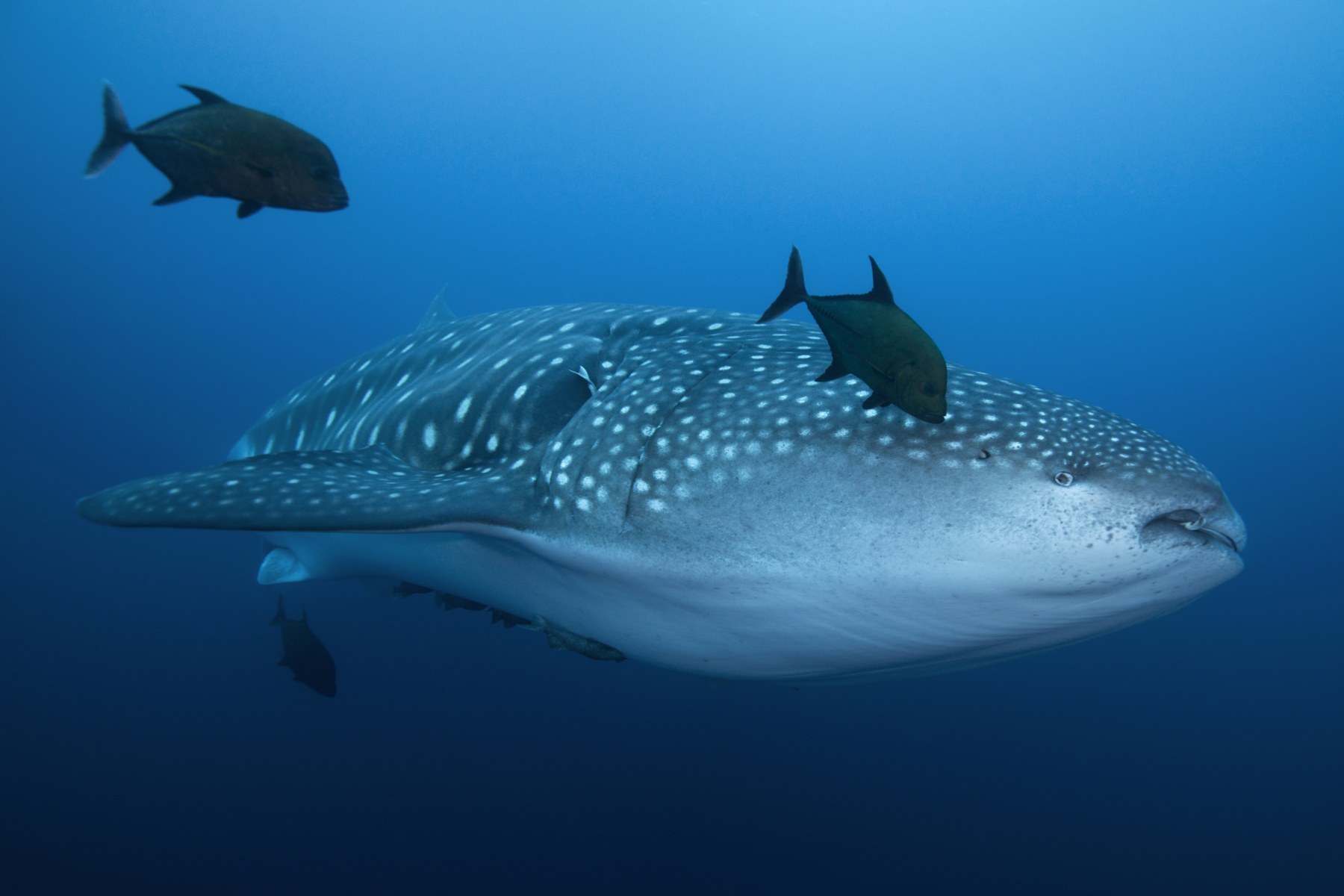
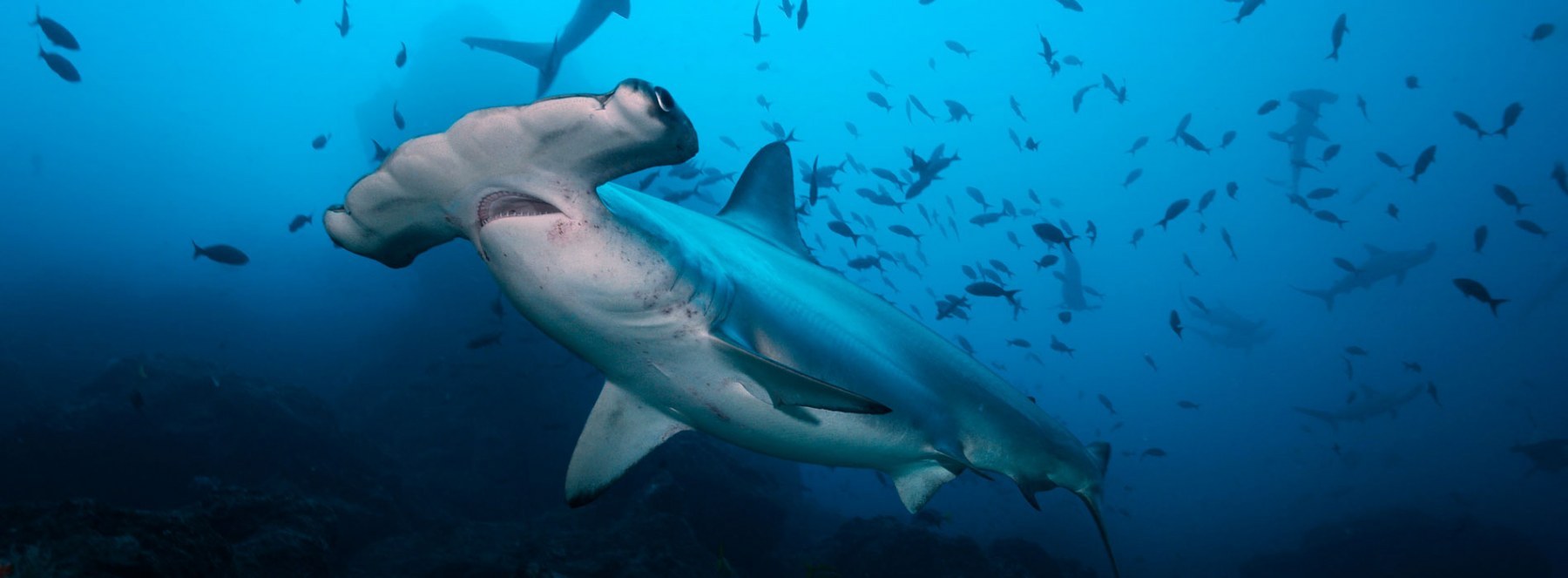
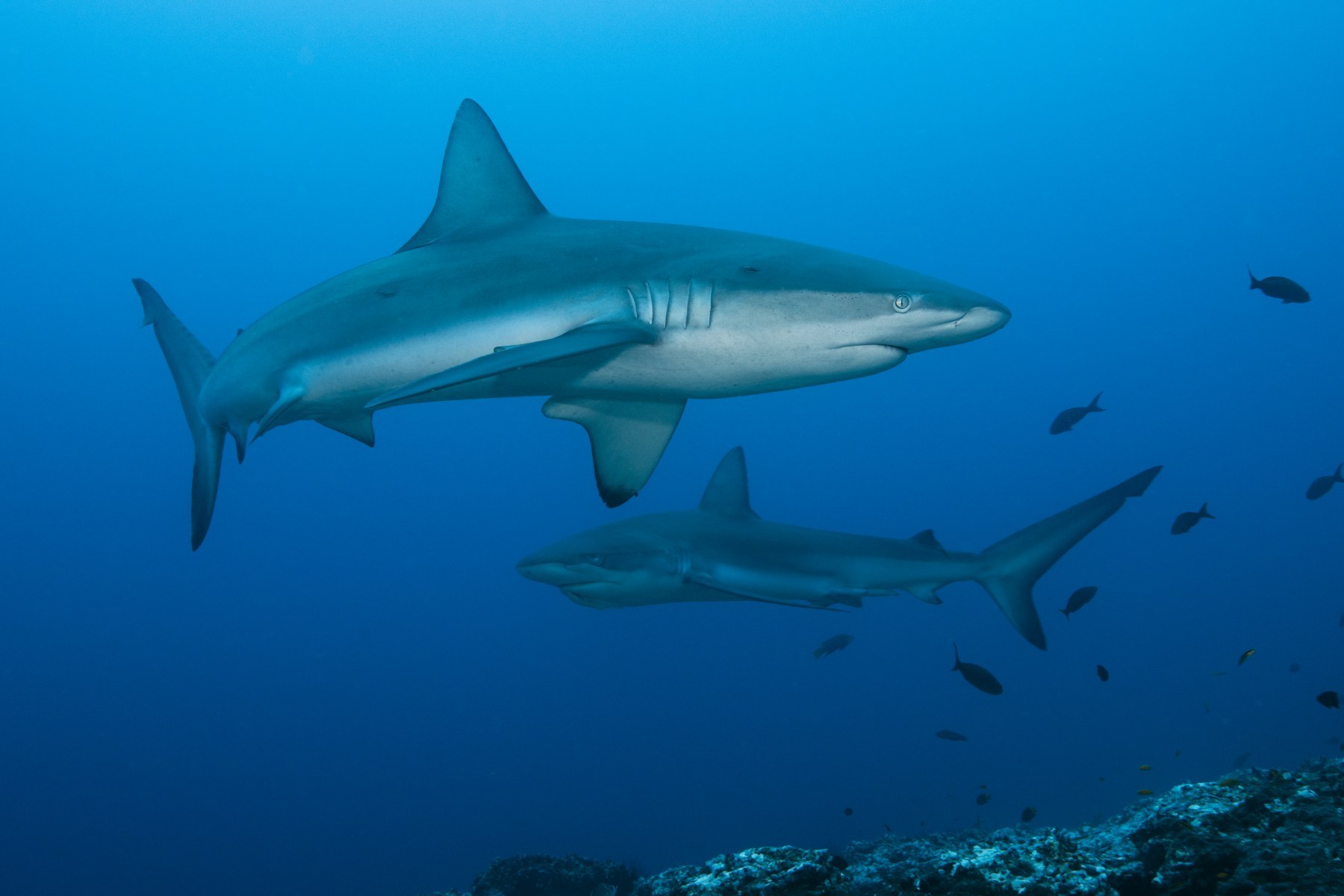
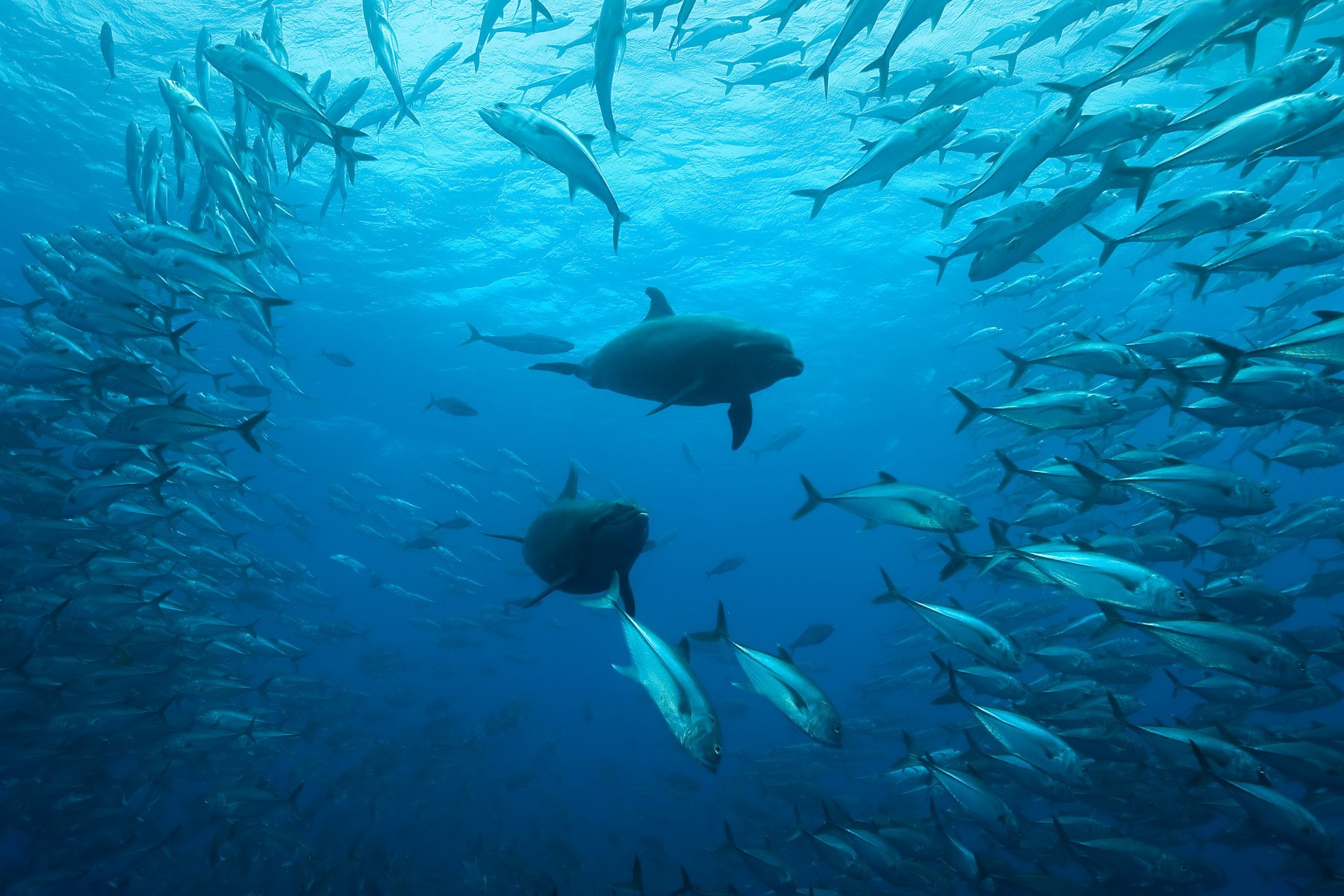
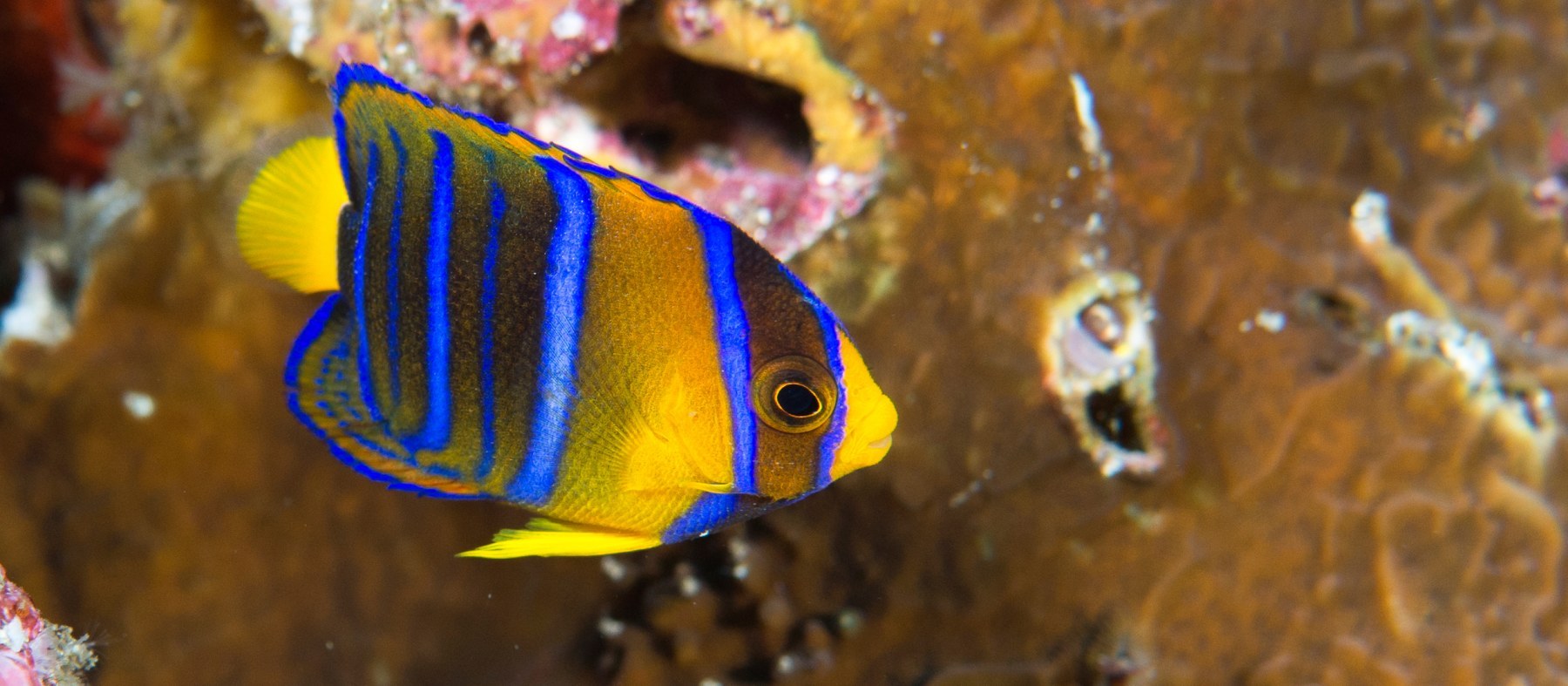
Cocos Island is graced with a startling degree of biodiversity. The surrounding waters are rich with life including 12 species of sharks, 4 types of rays, 4 species of sea turtles and 16 different marine mammals. Divers commonly encounter large schools of jacks and tuna, silky sharks, silvertips, marlin, green turtles and octopuses. Cocos Island is also home to at least 27 endemic fish species including the exotic rosy-lipped Cocos batfish. The terrestrial life here also exhibits a high number of endemic species.
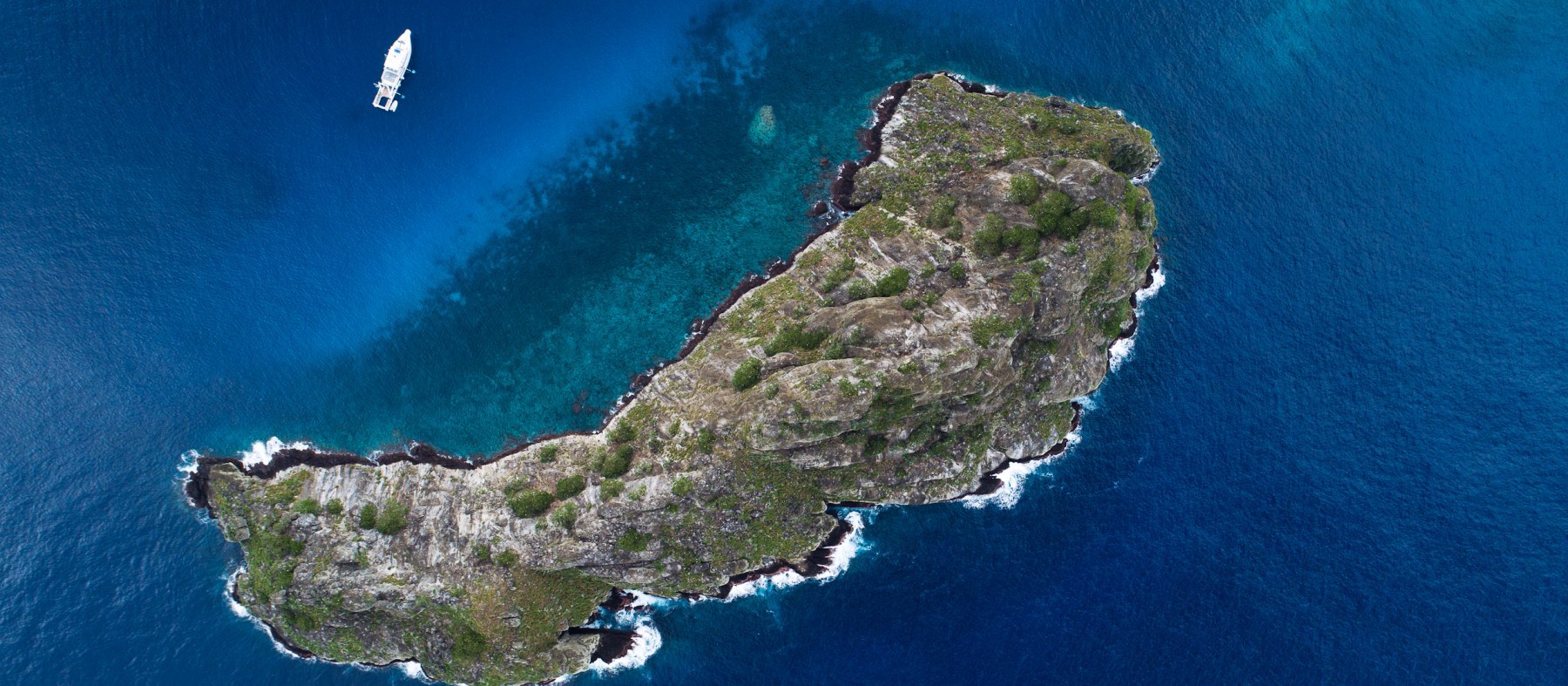
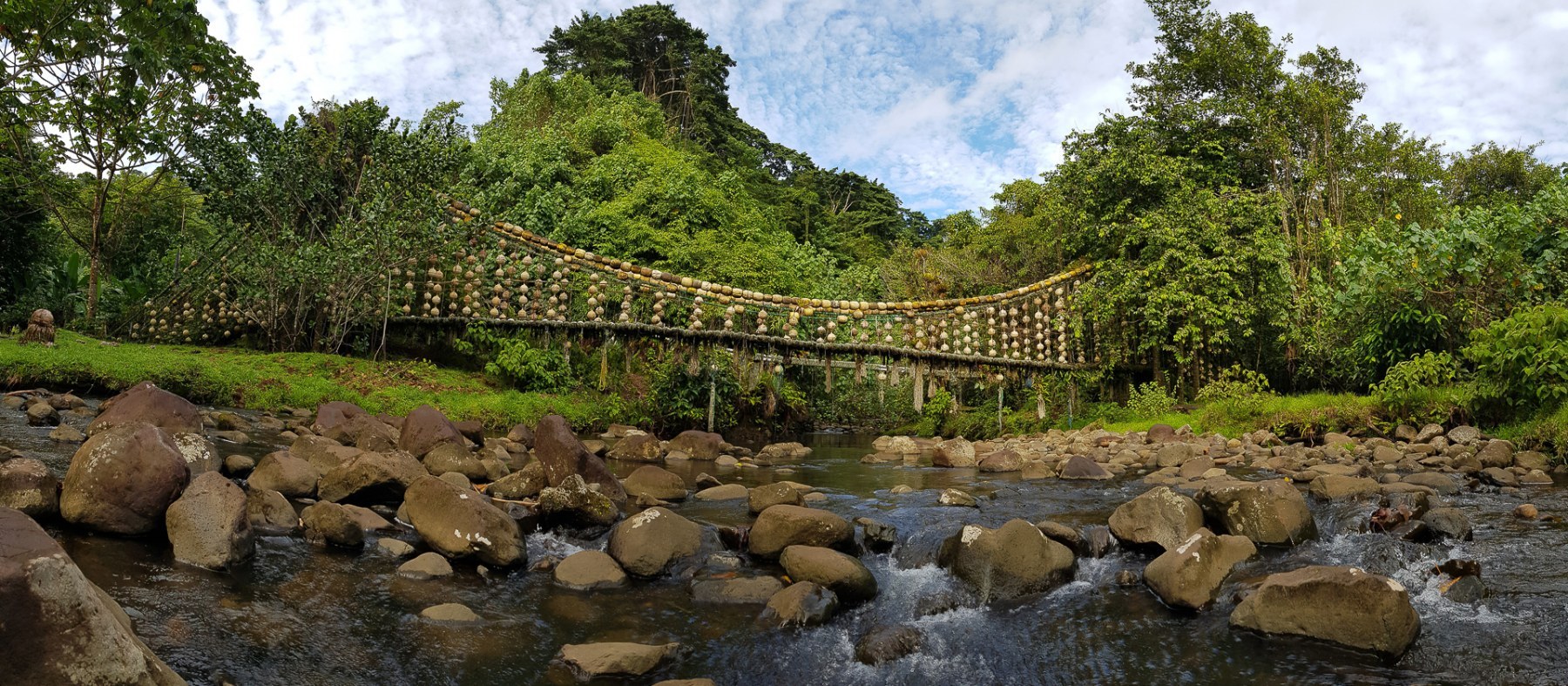
The island is home to 70 of the 235 identified vascular plant species in the world, some 25 species of moss, 27 species of liverwort and 85 species of fungus. There are upwards of 87 bird species, including the famous Cocos Island cuckoo, finch and flycatcher. There are 362 species of insects, of which 64 are endemic. Two native reptiles are found only on the island. Beneath the waterfalls and in the rivers, are freshwater fish that mystify scientists by their very existence. Because of its remote location and abundance of fresh water, Cocos has, throughout history, been a favorite re-supply station for pirates, whalers and sailors. These early visitors introduced pigs to the island as a self-perpetuating source of fresh meat. To this day feral pigs and deer abound, much to the detriment of the island’s indigenous ground-nesting birds.
An untold number of pirates, privateers and buccaneers utilized Cocos Island from the mid 1600s until the 1820s. Cocos had it all: intense natural beauty, fish, meat, coconuts and – above all – fresh water of such high purity that it could be stored for long periods of time without spoiling. It was also the perfect place to clean and repair the bottoms of boats – a process called careening.
Many of these adventurers left their marks here by literally carving them into the rocks of Chatham Bay, while others wrote of their exploits in their journals. Evidence of countless other voyages have simply been lost to time.
At least three major treasures are thought to have been buried on the island, which was a known hangout for infamous buccaneers. None of the stories of hidden riches have ever been substantiated and no one has admitted to finding anything significant – although no one in their right mind would confess to such a thing, as any treasure could be seized by the government or stolen by pirates.
“These days, of course, divers know where the real treasure is at Cocos Island,” said Avi Klapfer. “It’s under the water, and we find it every time we come here.”
For a detailed account of Cocos Island’s history, please check out the book Costa Rica Blue.
An untold number of pirates, privateers and buccaneers utilized Cocos Island from the mid 1600s until the 1820s. Cocos had it all: intense natural beauty, fish, meat, coconuts and – above all – fresh water of such high purity that it could be stored for long periods of time without spoiling. It was also the perfect place to clean and repair the bottoms of boats – a process called careening.
Many of these adventurers left their marks here by literally carving them into the rocks of Chatham Bay, while others wrote of their exploits in their journals. Evidence of countless other voyages have simply been lost to time.
READ MORE